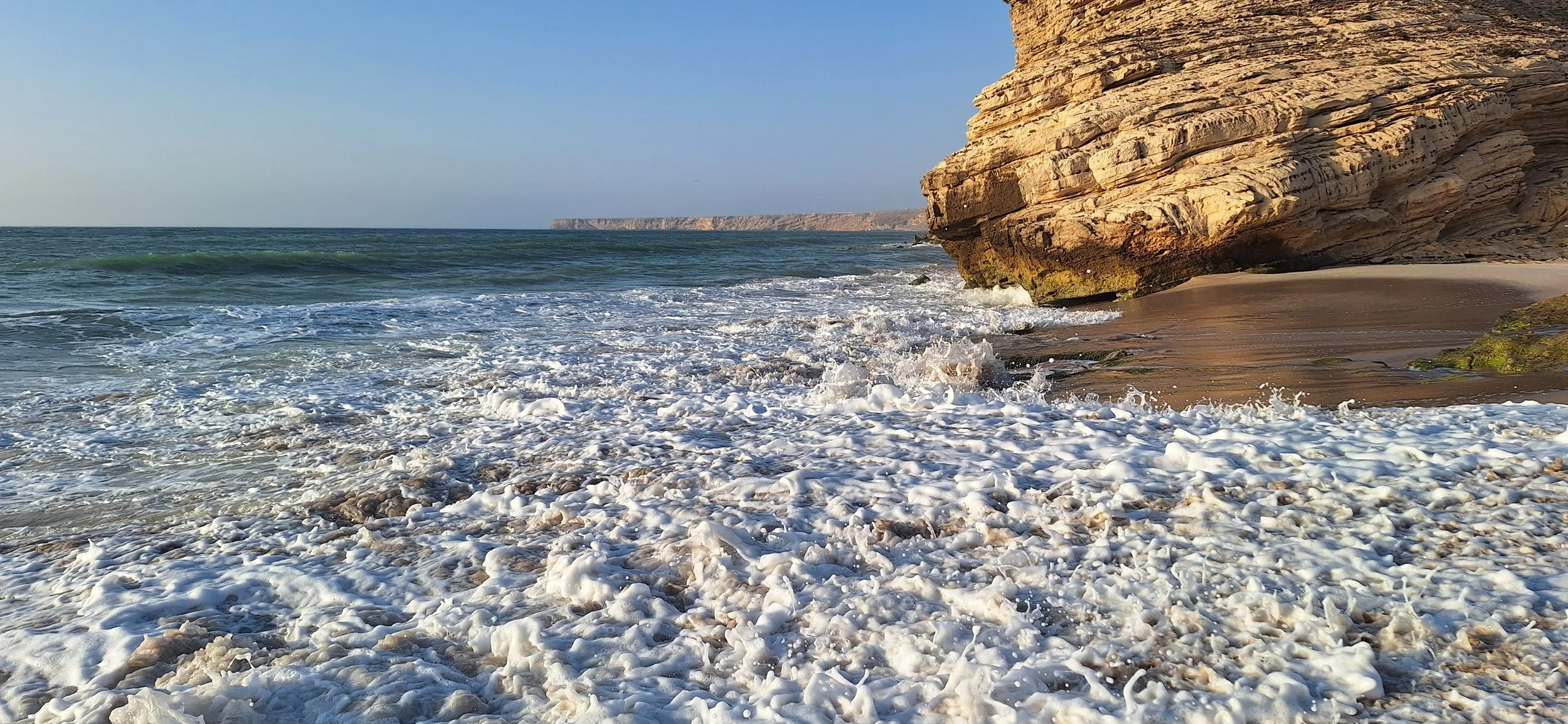
Come for the beauty
Stay for the future
Unspoiled nature, welcoming people, and major projects in Oman.

Muscat International Airport
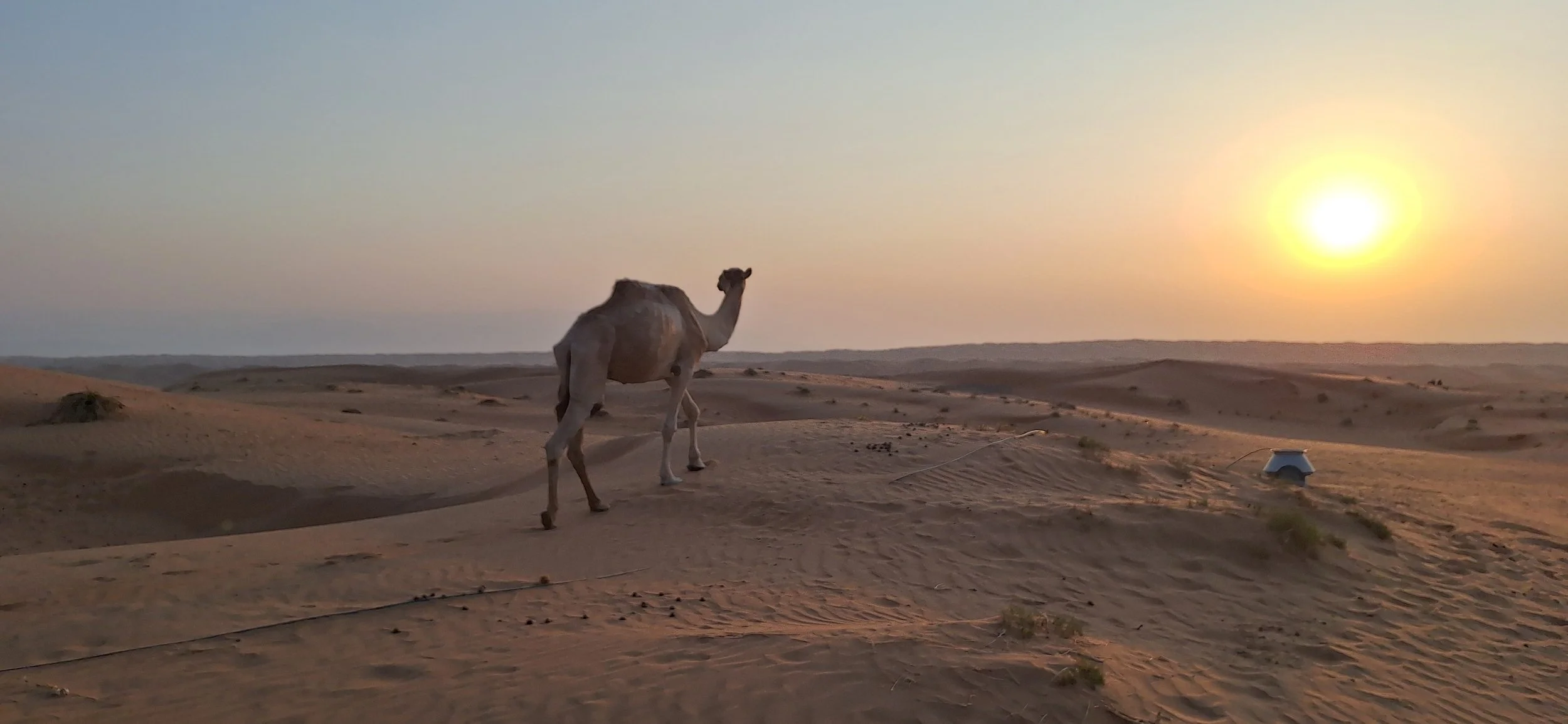
Sharqiya Sands & Empty Quarter

Yiti & Madinat Al Irfan Cities

Coral Reefs & Marine Life
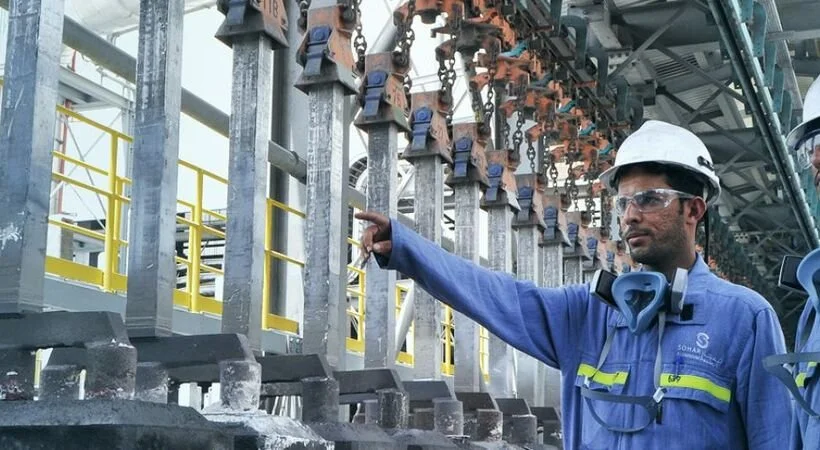
Sohar Industrial & Export Hub
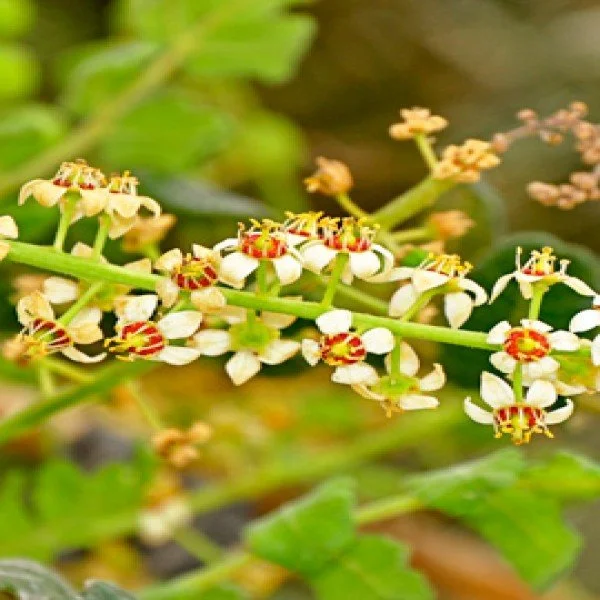
Royal Hojari Frankincense (Luban)
A Land of Opportunities
Click any sector below or use the arrows to explore Oman’s major projects and trade corridors.

Indian Ocean Ports Outside Hormuz
Asyad Group links Salalah, Sohar, and Duqm deepwater ports with an 80+ vessel fleet and direct global trade lanes.

Etlaq Commercial Spaceport
Equatorial orbital and suborbital rocket launches in Duqm, backed by a 45-day CAA licensing framework.

Energy & Green Hydrogen Corridor
From Block 6 production to utility-scale solar, wind, and green ammonia export terminals in Duqm and Salalah.

Companies & Free Zones in Oman
Explore executive profiles of Omani enterprises, sovereign holdings, banks, and tax-free industrial zones.
Yiti & Madinat Al Irfan Mega-Projects
100% freehold coastal real estate, sustainable cities, and resort developments led by OMRAN Group.
Relax and reset your energy
25°C winter sunshine, natural frankincense for deep sleep and calm, unspoiled reefs, and warm Omani hospitality.
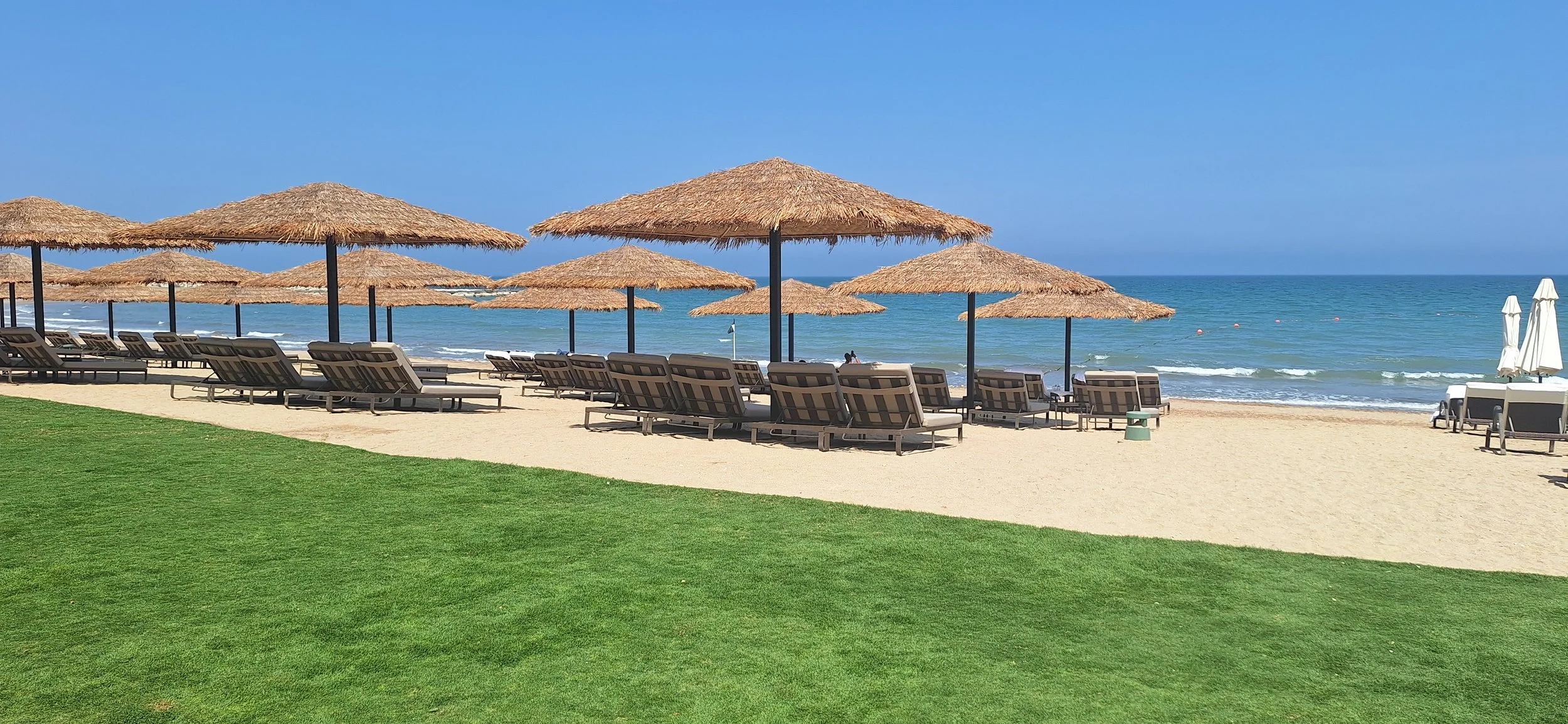
25°C Winter Sun
Warm beaches and clear blue skies from October to April—just a direct flight from Europe and Asia.

Luban, Mind & Deep Sleep
How pure Omani Hojari frankincense water and resin calm inflammation, aid digestion, and improve sleep.
Desert Calm & Stargazing
Unplug in Sharqiya Sands and the Empty Quarter—quiet desert camps, golden dunes, and clear night skies.
Underwater Coral World
Dive with sea turtles, whale sharks, and untouched coral reefs at the Daymaniyat Islands and Musandam.
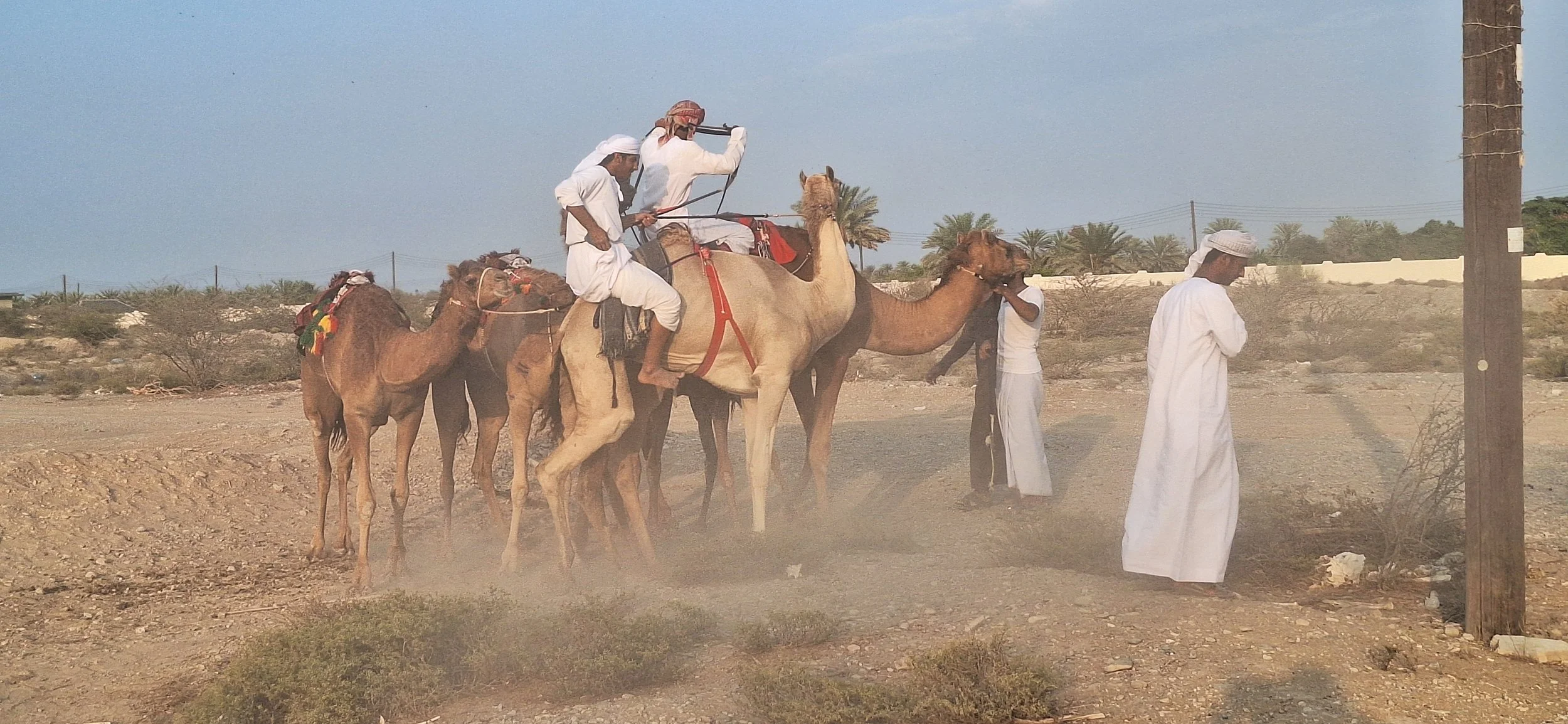
The Omani Art of Living
Authentic Bedouin heritage lived daily—camel races, mountain wadis, kahwa coffee, and genuine warmth.
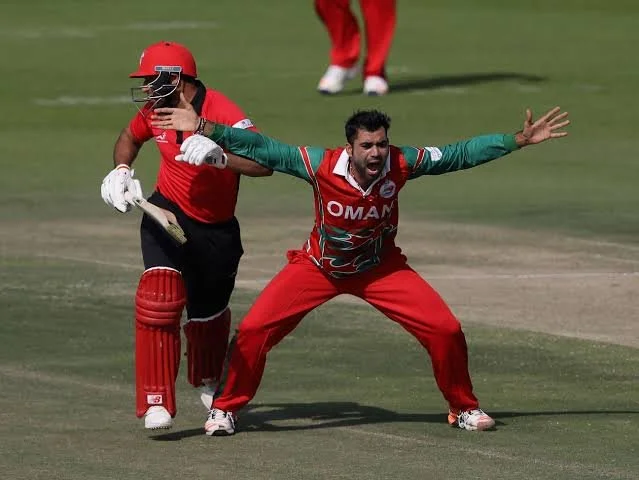
Sports & Outdoor Action
From Oman’s national cricket team to desert marathons, sailing regattas, and The Game Vault esports.
Explore Oman
Direct Guides & DirectoriesCompanies, Deepwater Ports & Free Zones in Oman
Executive dossiers on Omani enterprises, sovereign holdings, green hydrogen projects, and 100% foreign-ownership free zones.
Open Companies Directory →
Foreign Embassies in Muscat & Visa Information
Complete directory of foreign diplomatic missions in Oman, Omani embassies abroad, and practical eVisa entry guidance.
Open Embassy Directory →
Omani Frankincense (Luban): Health Uses, Buying Tips & Souq Prices
How pure Dhofar Hojari frankincense supports digestion, deeper sleep, and daily wellness—plus how to choose authentic resin.
Read the Luban Guide →
Frequently Asked Questions
Why are companies using Oman’s ports instead of the Strait of Hormuz?
Oman’s three main deepwater ports—Salalah, Sohar, and Duqm (operated by Asyad Group)—sit on the open Indian Ocean and Gulf of Oman outside the Strait of Hormuz. Ships save transit time and avoid strait bottlenecks while connecting directly to GCC highways and free zones.
Can foreign investors own 100% of a company in Oman?
Yes. Oman allows 100% foreign ownership across most sectors and inside its Special Economic Zones and Free Zones (Duqm, Salalah, Sohar, and Khazaen), alongside 0% personal income tax and duty-free import/export incentives.
When is the best weather to visit Oman?
From October to April, coastal Muscat and northern Oman enjoy sunny 24°C–28°C days and warm sea temperatures—ideal for beach stays, desert camps, and mountain hikes. From June to September, southern Oman (Dhofar/Salalah) turns lush green during the Khareef monsoon season.
What makes Omani frankincense (Luban) different, and how is it used?
Dhofar in southern Oman produces Royal Hojari frankincense (Boswellia sacra), prized for its pale green tears. Beyond burning as incense, edible Hojari resin is soaked overnight in drinking water to soothe digestion, reduce inflammation, and support deeper sleep.
Where can I find foreign embassies and visa requirements for Oman?
Our Diplomacy directory lists all foreign embassies and consulates in Muscat with contact details, alongside Oman’s eVisa entry rules for tourists, business visitors, and residents.